


EMRA Antibiotic Guide
2.494.00 Reviews
App Specs
- Version
- 1.0.1.30
- Updated On
- License
- Free
- Downloads
- 10,000+
- Developer
- Emergency Medicine Residents' Association
- Categories
- Medical
- Platform
- Android
Screenshots
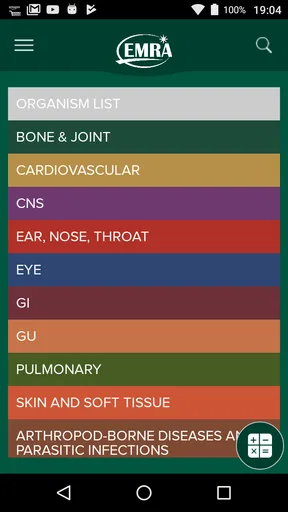
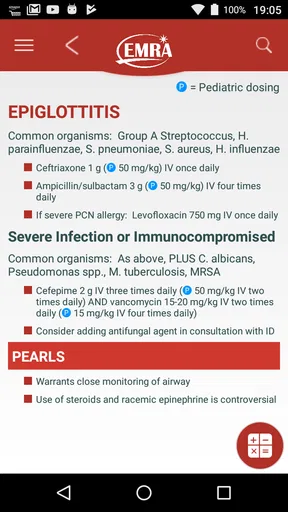
 Analysis by AppCompare
On a busy shift, the hard part is often not knowing that antibiotics exist; it is narrowing a treatment question down quickly enough to make a careful decision. That is where I see a practical role for EMRA Antibiotic Guide: a mobile reference aimed at clinicians who need antibiotic guidance close at hand. I would treat it as a point-of-care aid, not as an automatic prescribing decision or a substitute for patient-specific assessment.
When the question starts at the bedside
A realistic use case is an emergency medicine clinician assessing a patient with a suspected infection while several other demands compete for attention. Rather than relying on memory alone, the clinician can use a focused reference to check an antibiotic recommendation and consider alternatives. The value is less about replacing clinical reasoning than about giving that reasoning a structured place to start.
This is most useful when the problem is familiar but the details are easy to mix up: for example, when a clinician wants to compare an infection-based approach with a pathogen-based one, or double-check a choice before discussing it with a colleague. A phone reference can be easier to consult than searching through a broad textbook, especially when the immediate question is narrow. I would still pause to make sure the clinical situation actually matches the guidance being consulted.
A practical route from question to decision
In a sensible workflow, I would first define the clinical question as specifically as possible: what infection is suspected, what organism is known or being considered, and what patient factors might change the choice. I would then look up the relevant guidance, review the recommendation and any alternatives, and bring that information back into the clinical assessment. Starting with a clear question matters; an antibiotic reference cannot compensate for an uncertain diagnosis or incomplete patient history.
The app is free to download, and its medical focus makes it a more natural fit for clinical work than a general health app. The Emergency Medicine Residents' Association develops it, and its store summary describes on-shift antibiotic recommendations. That intended setting is important: I would expect the most value when a clinician needs a quick reference during care, rather than when a patient is trying to choose treatment independently.
Before acting on a recommendation, I would check whether the patient’s allergies, age, pregnancy status, relevant medical history, and local practice affect the decision. Those are not details to gloss over just because a guide offers a clear answer. A reference can help organize the next step, but the person treating the patient remains responsible for checking that the recommendation applies.
What happens when the decision moves between people
Antibiotic choices are often discussed rather than made in isolation. A useful reference can support a conversation between a resident and supervisor, or help a clinician explain why one option is being considered over another. In that handoff, the strongest use is as a shared starting point: state the suspected infection, explain what guidance you consulted, and identify what still needs confirmation.
Worth Reading Before You Choose

Flipboard Shows What News Apps Must Do Beyond the Feed

Switching to Android Auto Means Rethinking Your Driving Routine

Google Calendar Makes a Crowded Week Easier to Manage

Ludo King Makes the Most of the Minutes Between Plans

Baby Panda World Brings Quick Play to Modern Phones, but Its Game Library Feels Busy

ESPN’s Live Game View Makes Following Close Games Easier
I would not treat a guide entry as a complete handoff. The next clinician still needs the patient’s presentation, relevant test results, allergies, treatments already given, and the reasoning behind any decision. A concise reference can sharpen the discussion, but it cannot carry the patient context for you. This distinction is especially important when responsibility changes during a shift or a patient’s condition evolves.
Where a pocket reference helps—and where it doesn’t
Compared with a general web search, a dedicated antibiotic guide can reduce the distraction of unrelated pages and make a clinical lookup feel more direct. Compared with a full clinical decision-support platform or local hospital protocol, however, a focused guide may not fit every institution’s workflow. If a local antimicrobial policy governs the situation, I would check that policy rather than assume a general reference takes precedence.
The guide is intended for healthcare professionals, and I would not recommend using it to self-diagnose or select an antibiotic without a clinician. Antibiotics are not interchangeable, and the right decision depends on more than the name of an infection. Patients who are worried about symptoms should contact a qualified healthcare professional; the app is not a substitute for assessment, testing, or follow-up.
Its average rating is 2.4 from around 130 ratings, so I would approach the experience with measured expectations rather than assume every user finds it smooth. It has over 10,000 installs, is rated for everyone, and was released in September 2018. The current version is 1.0.1.30, with Android 5.1 or later listed as the minimum requirement. Those details suggest it is worth checking compatibility and trying the interface before depending on it as a regular part of a shift.
Getting to Know the EMRA Antibiotic Guide
First off, this app is designed for healthcare professionals, which means it’s packed with detailed, up-to-date information on antibiotics. With its sleek and user-friendly interface, you can easily navigate through a wealth of knowledge without feeling overwhelmed. The EMRA Antibiotic Guide has been crafted by experts to ensure accuracy and reliability, which is crucial when you’re handling patient care.
Features That Make a Difference
Let’s dive into what makes this app stand out. The first thing you'll notice is how comprehensive it is. The app covers a wide array of topics, from common infections to rare pathogens. Each entry provides detailed information about the recommended antibiotics, dosages, and alternative treatments. It even includes guidelines for special populations like pediatrics and pregnant patients.
One of my favorite features is the search function. It’s lightning-fast and incredibly intuitive. Whether you’re searching by condition, pathogen, or antibiotic, you can bet you’ll find what you need quickly. This is a lifesaver during busy shifts when every second counts.
User Experience: Simplicity Meets Functionality
The developers did a stellar job with the app’s layout. It’s clean, with no unnecessary frills, which means you can focus on what really matters—the content. The app is regularly updated, keeping in line with the latest guidelines and research, so you’re always working with the most current information.
Another handy feature is the bookmark option. If there are medications or guidelines you refer to frequently, simply bookmark them for instant access later. Trust me, this feature keeps you from scrolling endlessly when time is of the essence.
Even with a fast lookup, I would use a deliberate two-pass routine: search for the main clinical question, then review the surrounding entry before acting. That second pass helps prevent a tempting shortcut, such as stopping at a drug name without considering the context or alternative. If the case has a complicating factor, I would bring it to a supervisor or consult the relevant local protocol instead of forcing a quick answer from the app.
Why You Should Consider It
If you’re in the medical field, having access to accurate and quick antibiotic guidelines is essential. The EMRA Antibiotic Guide provides exactly that, and it’s accessible anywhere your phone goes. Whether you’re in a hospital, clinic, or out in the field, it’s like having a consultant in your pocket.
The app is also an excellent resource for educational purposes. It can be a great aid for medical students or residents who are still learning the ropes. With its detailed explanations and easy-to-navigate features, it’s like a crash course in infectious disease treatment.
For learners, I think it works best as a prompt for active study rather than a list to memorize. Before looking up a case, make a provisional choice and note what information could change it; then compare that reasoning with the reference. That habit turns a quick lookup into a useful teaching moment and makes it easier to ask a supervisor a focused question.
The app is less suitable for someone seeking a broad infectious-disease textbook, a patient-facing explanation, or a replacement for a hospital’s own prescribing tools. It may also disappoint users who expect every clinical decision to be resolved by one search. In practice, antibiotic selection can depend on patient-specific details and local guidance, so the guide is most helpful when it supports—not bypasses—those checks.
Costs, expectations, and the final decision
There is no charge to download the app, although in-app purchases are listed at $9.99 per item. I would check what is included before relying on any paid item as part of a workflow. For a clinician deciding whether to try it, the sensible test is simple: install it on a compatible device, search a few familiar clinical questions, and see whether the material is easy to locate and useful alongside the resources already used at work.
That trial should include more than checking whether search returns a result. I would see whether I can move from a condition or organism to a recommendation without losing the clinical thread, and whether the interface remains comfortable to use under time pressure. If it takes too much effort to reach the material I need, a local protocol or another established reference may be the better everyday option.
Final Thoughts
In the fast-paced world of healthcare, the EMRA Antibiotic Guide is a game changer. It combines accuracy, ease of use, and a wealth of information in one neat package. If you haven’t checked it out yet, I highly recommend giving it a try. It could very well become one of your most trusted resources in patient care.
For those interested in downloading the app, you can easily find it on both Android and iOS platforms. So why wait? Equip yourself with the knowledge and confidence to make informed antibiotic choices, right at your fingertips.
My recommendation is more measured: I would consider it as a convenient clinical reference, especially for emergency medicine learners and practitioners who want antibiotic guidance close by, but I would not make it the only source in a prescribing workflow. Its usefulness depends on the quality of the question you bring to it and the checks you make afterward. Used that way, it can support a quicker, more organized discussion; when a case is complex or local rules matter, another resource or a senior clinician should take the lead.
Pros
- Comprehensive antibiotic coverage.
- Regularly updated with new guidelines.
- User-friendly interface design.
- Offline access to information.
- Quick search functionality.
Cons
- Limited to EMRA members only.
- No drug interaction checker.
- Requires frequent updates.
- No customization options.
- No dark mode available.
FAQs for EMRA Antibiotic Guide
What is the EMRA Antibiotic Guide and who is it for?
The EMRA Antibiotic Guide is a comprehensive resource designed for healthcare professionals, particularly emergency medicine practitioners. It provides up-to-date information on antibiotic treatments, dosing, and resistance patterns. This app is an essential tool for those looking to make informed decisions quickly in clinical settings.
How often is the information in the EMRA Antibiotic Guide updated?
The EMRA Antibiotic Guide is regularly updated to ensure that users have access to the latest data and recommendations. Updates typically incorporate new research findings, resistance trends, and guideline changes, ensuring that healthcare professionals have the most current information available.
Can the EMRA Antibiotic Guide be used offline?
Yes, the EMRA Antibiotic Guide offers offline access, making it convenient for healthcare professionals who work in environments with limited internet connectivity. Once downloaded, users can access all the app's features and information without needing an active internet connection.
Is the EMRA Antibiotic Guide available for both Android and iOS devices?
The EMRA Antibiotic Guide is available on both Android and iOS platforms. Users can download the app from the Google Play Store or the Apple App Store, ensuring compatibility with a wide range of devices for convenient on-the-go access.
Does the EMRA Antibiotic Guide require a subscription or purchase?
The EMRA Antibiotic Guide may require a purchase or subscription for full access to its features. While some basic information might be available for free, advanced features and regular updates typically come with a subscription model, providing comprehensive and up-to-date content for users.


